
In many Haitian households, mental health is still treated as something to hide. Depression is dismissed as a weakness. Anxiety is mistaken for a lack of faith. Disabilities, especially those not immediately visible, are often misunderstood or ignored altogether. For Haitian Americans living with disabilities, this silence can become another barrier to survival.
Mental Health Awareness Month, which takes place annually in May, is an opportunity to confront a difficult truth: too many people in our community are suffering quietly because stigma and systemic barriers continue to prevent them from accessing care.
According to the National Institute of Mental Health, more than half of adults in the United States living with mental illness receive no treatment. That gap is often even wider in immigrant communities, where language barriers, cultural mistrust, cost and fear of judgment deter people from seeking help.
Research also shows that people with disabilities experience significantly higher rates of depression and anxiety, yet they are less likely to receive culturally competent mental health services.
For Haitian families, conversations about mental health are often shaped by survival. Many immigrants arrived in this country carrying trauma linked to political instability, poverty, separation from family and the pressures of starting over. In that context, emotional struggles are often minimized because survival feels more urgent than healing.
I understand this personally.
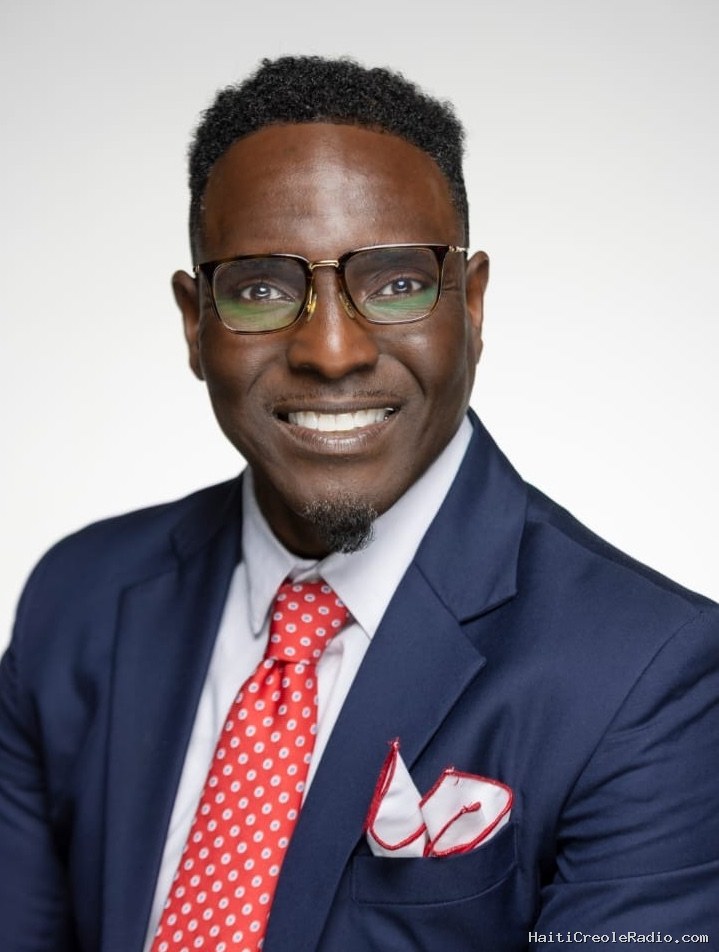
I was diagnosed with a learning disability at a young age and later with Crohn’s disease in college. At times, the challenges felt isolating. Like many people navigating disability, I had to fight not only the condition itself but also the assumptions others made about my potential. Too often, disability is viewed through the lens of limitation rather than possibility.
What changed my life was support: educators who believed in me, mentors who pushed me forward and opportunities that let me prove to myself I was capable. That experience shaped my mission.
In 2008, I co-founded Alliance Community and Employment Services (ACES) to help individuals with disabilities access workforce training, life skills development and employment opportunities. Over the years, I have seen firsthand how mental health struggles are closely linked to isolation, unemployment, poverty and a lack of support systems. I have also seen how transformative it can be when people are treated with dignity and given the resources they deserve.
The Haitian community prides itself on resilience, but resilience should not mean suffering in silence.
Faith, family and culture are powerful sources of strength, but they should not replace professional mental health care when it is needed. We must make room for both. We must normalize therapy, counseling and emotional support, just as we would treatment for diabetes or high blood pressure.
Community leaders, churches, schools and healthcare providers all have a role to play. Mental health services should be delivered in culturally competent ways that respect language, lived experiences and community values.
Families must also learn to recognize that developmental disabilities, learning challenges, depression and anxiety are not moral failures. These are health realities that deserve compassion and care.
We also need greater investment in accessible services for people with disabilities. Too many families are left to navigate complex systems alone. Access to healthcare, transportation, education and employment support should not depend on privilege or luck.
The Haitian diaspora has always found ways to care for one another through hardship. This moment calls us to extend that same compassion to mental health and disability inclusion. Silence only deepens suffering. Conversation creates pathways to healing.
If we truly want stronger families and healthier communities, we must be willing to confront stigma, listen without judgment and ensure no one feels invisible because of a disability or mental health challenge.
Healing begins when we stop pretending that these struggles do not exist.


Commentaires (0)
Laisser un commentaire
Aucun commentaire. Soyez le premier !